
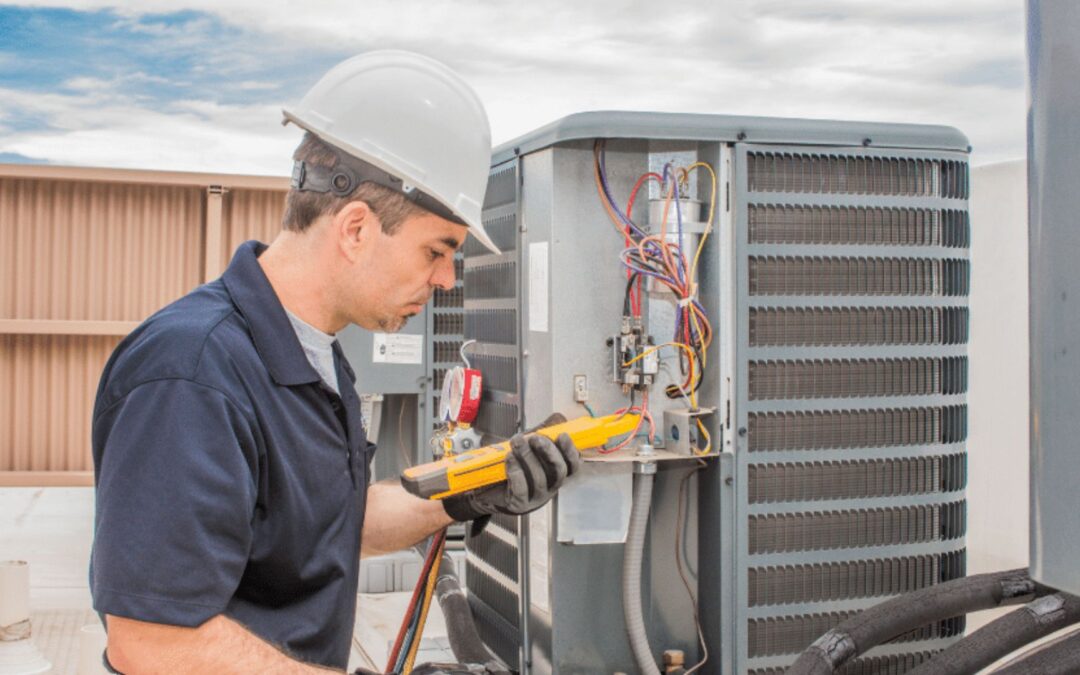
Boise homeowners rely heavily on their HVAC systems to stay comfortable through hot, dry summers and cold Idaho winters. Unfortunately, those temperature extremes also put extra strain on heating and cooling equipment, leading to frequent breakdowns and costly repairs. Understanding the most common HVAC repairs in Boise homes—and how to prevent them, can help you extend the life of your system, reduce emergency calls, and keep energy bills under control.
Below, we’ll break down the HVAC problems Boise homeowners face most often and share practical prevention tips to help you avoid unexpected repairs.
1. Dirty or Clogged Air Filters
One of the most common HVAC issues in Boise homes is a dirty air filter. While it may seem minor, a clogged filter can restrict airflow, force your system to work harder, and lead to more serious problems like frozen coils or overheating components.
Why it happens in Boise
Boise’s dry climate, dust, pollen, and seasonal wildfire smoke can clog air filters faster than homeowners expect—especially during summer cooling season.
How to prevent it
- Replace standard filters every 1–3 months
- Check filters monthly during peak heating and cooling seasons
- Upgrade to high-quality filters if you have pets or allergies
Preventing this simple issue can improve indoor air quality and reduce the need for HVAC repair in Boise homes.
2. Thermostat Malfunctions
A faulty thermostat can cause uneven temperatures, short cycling, or an HVAC system that won’t turn on at all. Many Boise homeowners mistake thermostat issues for major HVAC failures.
Common causes
- Dead batteries
- Improper placement near windows or heat sources
- Outdated or poorly calibrated thermostats
How to prevent it
- Replace thermostat batteries annually
- Keep thermostats away from direct sunlight
- Consider upgrading to a programmable or smart thermostat
Proper thermostat function helps your HVAC system run efficiently and prevents unnecessary wear.
3. Refrigerant Leaks
Low refrigerant levels are a serious issue that often requires professional HVAC repair in Boise. Refrigerant is essential for cooling, and leaks can significantly reduce efficiency.
Warning signs
- Warm air coming from vents
- Ice buildup on refrigerant lines
- Higher-than-normal energy bills
How to prevent it
- Schedule annual HVAC maintenance
- Address minor cooling issues early
- Avoid DIY repairs on refrigerant lines
Refrigerant leaks don’t just affect comfort—they can damage your compressor if left unchecked.
4. Frozen Evaporator Coils
Frozen coils are a frequent problem during Boise’s hot summers. When airflow is restricted or refrigerant levels are low, moisture on the coils freezes and blocks cooling altogether.
Common causes
- Dirty air filters
- Blocked return vents
- Refrigerant issues
How to prevent it
- Change air filters regularly
- Keep vents and registers clear
- Schedule professional HVAC inspections
Ignoring frozen coils can lead to system shutdowns and expensive repairs.
5. Electrical Component Failures
HVAC systems rely on capacitors, relays, contactors, and wiring to function properly. Boise’s temperature swings can stress these electrical components over time.
Symptoms of electrical issues
- HVAC system won’t start
- Clicking or buzzing sounds
- System shuts off unexpectedly
How to prevent it
- Have electrical components checked during routine maintenance
- Address minor performance issues quickly
- Avoid running your system nonstop during extreme weather
Catching electrical problems early can prevent full system failure.
6. Worn-Out Blower Motors
The blower motor is responsible for circulating air throughout your home. In Boise homes with older HVAC systems, blower motor repairs are especially common.
Signs of blower motor problems
- Weak airflow
- Strange noises from vents
- Uneven temperatures throughout the house
How to prevent it
- Keep air filters clean
- Schedule professional HVAC tune-ups
- Don’t ignore unusual sounds
A failing blower motor can strain other system components if left unaddressed.
7. Clogged Condensate Drains
Your HVAC system removes humidity from the air, even in Boise’s dry climate. Over time, algae, dirt, and debris can clog the condensate drain line.
Why it matters
- Water damage around the unit
- Increased indoor humidity
- System shutdowns due to safety switches
How to prevent it
- Have the drain line cleaned during maintenance
- Watch for water pooling near the unit
- Schedule regular HVAC inspections
Preventing condensate issues helps protect both your HVAC system and your home.
8. Furnace Ignition or Pilot Light Problems
During Boise’s cold winters, furnace issues become one of the most common HVAC repair calls. Faulty ignitors or pilot lights can leave your home without heat.
Common causes
- Dirty sensors
- Worn ignition components
- Gas supply issues
How to prevent it
- Schedule annual furnace tune-ups before winter
- Keep the area around your furnace clean
- Address heating issues early in the season
Routine maintenance is key to reliable winter heating in Boise.
Why Preventative HVAC Maintenance Matters in Boise
Preventative HVAC maintenance is the most effective way to avoid costly repairs and extend system lifespan. Boise homeowners who schedule annual tune-ups often experience:
- Fewer emergency HVAC repairs
- Lower energy bills
- Improved indoor air quality
- Longer system life
Professional HVAC technicians can identify small issues before they become major problems, saving you money and stress.
When to Call a Professional HVAC Repair Company in Boise
If your system is making unusual noises, producing weak airflow, or causing energy bills to spike, it’s time to call a licensed HVAC professional. Delaying repairs can turn minor issues into major system failures.
Local HVAC experts understand Boise’s climate challenges and can recommend solutions tailored to your home and system type.
Final Thoughts
The most common HVAC repairs in Boise homes are often preventable with regular maintenance and early intervention. By staying proactive—changing filters, scheduling tune-ups, and addressing warning signs—you can keep your heating and cooling system running efficiently year-round.
If you’re looking to avoid unexpected breakdowns and ensure reliable comfort through every Boise season, preventative HVAC care is your best investment.
Recent Comments